experienced event planners for Non profits in New Jersey for organized event coordination
Turning Ideas into Action: How Professional Event Planners Enhance Your Non-Profit Charity Functions
Event planners serve as essential partners for nonprofit organizations, converting conceptual ideas into measurable results. Their expertise bridges gaps in logistics, vendor relations, and thematic creativity. By embracing calculated budgeting approaches and harnessing digital media, they elevate revenue-generating initiatives and stakeholder participation. However, the journey from concept to execution is intricate. Knowing how to choose the ideal coordinator and apply proven methods can significantly influence an event's outcome. Which factors will truly determine that achievement?
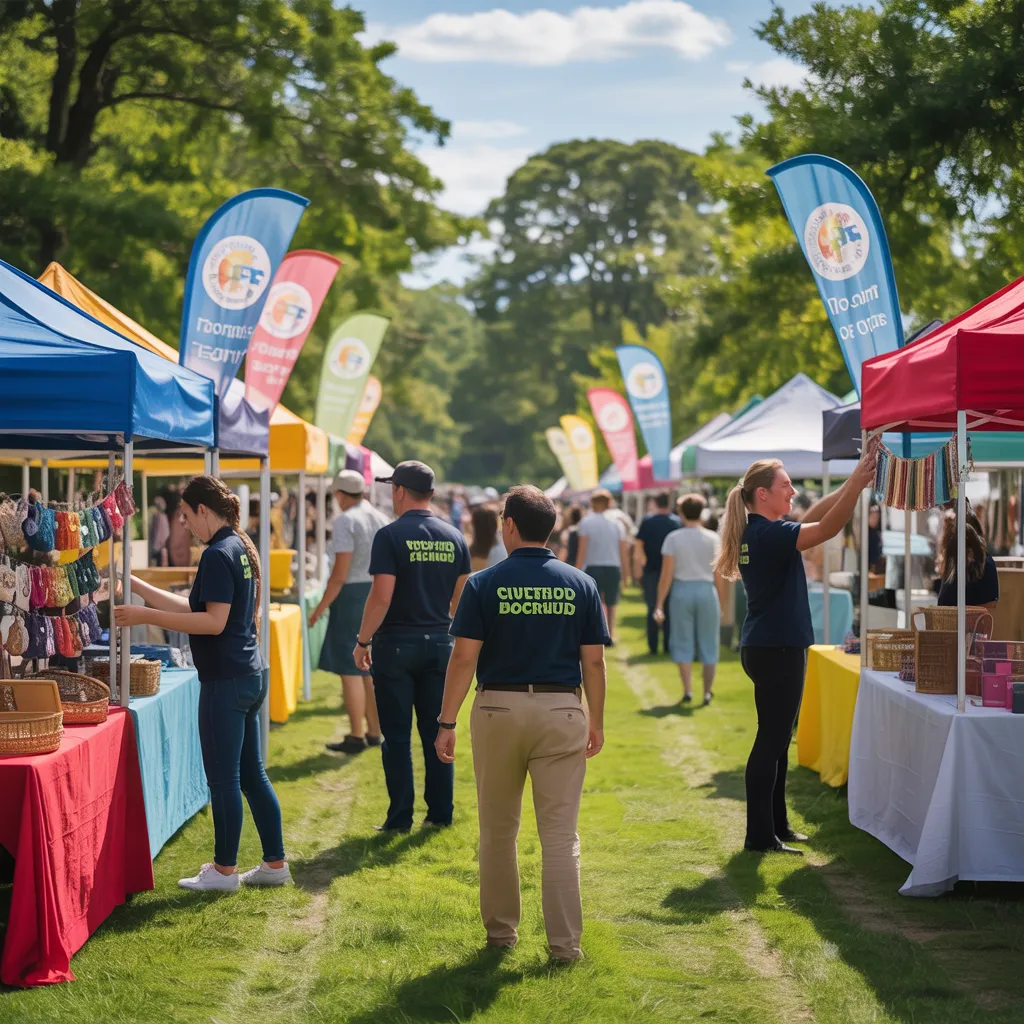
The Function of Event Planners
Event organizers function as the foundation of non-profit charity events, orchestrating every detail to guarantee success. Their core function includes grasping the goals and vision of the organization, converting these into a comprehensive event approach. They oversee operations, encompassing venue selection, catering, and audiovisual elements, ensuring that all elements align with the event's goals.
Additionally, event planners are adept at budgeting, helping organizations to maximize their resources while minimizing costs. They foster relationships with vendors and sponsors, securing contracts that support the charity's financial objectives.
In addition to logistical tasks, they also prioritize promoting the event, leveraging digital platforms and conventional methods to boost participation and interaction. By managing volunteers and personnel, they create an efficient team dynamic, guaranteeing seamless execution on the day of the event. Ultimately, the role of an event planner is essential in enhancing the overall impact and success of charitable nonprofit gatherings.
Picking Your Event Planner
How can a non-profit organization guarantee it selects the right event planner for its charity event? The selection process begins with identifying planners who have experience in the non-profit sector. Organizations are encouraged to examine portfolios and case studies so as to measure previous accomplishments and applicable expertise. Conducting interviews with potential planners offers meaningful insight into their comprehension of non-profit missions and core values.
In addition, organizations should seek suggestions from peers or industry networks to ascertain trustworthiness. Speaking with prospective planners about their event planning methodology, problem-solving strategies, and goals for the occasion can reveal compatibility. Budgetary concerns are just as essential; event planners must offer clear pricing frameworks that align with the organization's financial constraints. In conclusion, examining communication approaches is necessary—effective collaboration depends on clear and open dialogue. By systematically addressing these factors, a charitable organization can effectively identify an professional planner who will powerfully improve its fundraising event.
Compelling Themes That Engage
What qualities define a truly impactful theme for a charity event? An effective theme connects with attendees and supports the goals of the non-profit. It must stir feelings, generating enthusiasm and participation among guests. As an example, a "Masquerade Ball" can establish an atmosphere of intrigue, motivating attendees to bond through collective moments.
In addition, themes ought to be visually captivating, improving the overall ambiance and rendering the event unforgettable. Integrating interactive elements, such as photo stations or live performances, can further captivate participants.
Moreover, a clearly defined theme can facilitate the overall planning process, directing decisions involving decor, food, and entertainment. By confirming that all aspects of the event align with the established theme, organizers can craft a harmonious experience that strengthens the charity's message. At the end of the day, a strong theme not only brings in attendees but also cultivates a stronger connection to the initiative, promoting generosity and support.
Intelligent Budget Planning for Charity Events
An engaging theme establishes the atmosphere for a charity event, but proper budgeting secures its successful implementation. Smart budgeting involves a thorough assessment of both fixed and variable costs, making certain that every dollar supports the event's objectives. Experienced event coordinators frequently suggest developing a well-defined budget structure that includes venue costs, food and beverage, advertising, and entertainment options.
Managing expenses strategically is crucial; coordinators stress the importance of recognizing core elements that reflect the event's goals. Furthermore, exploring in-kind donations and corporate sponsorships can substantially cut costs, freeing up additional budget to be allocated toward the primary objective.
Consistent budget evaluations during the planning phase can help prevent unexpected financial challenges. By keeping stakeholders informed about expenditures, trust and collaboration can flourish. Ultimately, smart budgeting not only enhances the event's impact but also solidifies the organization's reputation, guaranteeing that attendees recognize the value of their support.
Effortless Logistics Management
Efficient logistics planning is vital for the effectiveness of charitable non-profit events. This requires streamlined venue organization, optimized vendor relationships, and precise schedule coordination to ensure that all details come together smoothly. By prioritizing these elements, non-profit event coordinators can create a smooth experience that strengthens the event's overall influence.
Effective Venue Coordination
Even though choosing the proper venue is vital for a prosperous charity event, effectively managing logistics can determine the success or failure of the entire experience. Effective venue coordination involves meticulous planning, from spatial arrangement to ease of access. Event coordinators must confirm that the location can support the projected attendance while enabling unobstructed traffic flow across the event. Adequate signage, organized seating, and dedicated spaces for check-in and activities are essential for improving attendee participation. Moreover, consistent communication with venue team members is key to resolving any unanticipated problems. By managing these logistics seamlessly, event planners can create an inviting atmosphere that allows guests to focus on the event's mission, ultimately resulting in increased fundraising achievements and community participation.
Efficient Vendor Partnerships
Furthermore, vendor contracts negotiated in advance can result learn the details in significant cost reductions, which is vital for non-profit budgets. A strategically organized vendor network also fosters creativity, as organizers are able to draw on the distinctive resources and expertise of each vendor. In summary, well-managed vendor relationships establish a unified and polished environment, greatly contributing to the event's success and the organization's overall objectives.
Prompt Schedule Management
When overseeing a non-profit charity event, punctual scheduling is vital to secure smooth operations. Event coordinators must establish a detailed timeline that covers all elements of the event, from vendor scheduling to participant check-ins. This meticulous planning limits the possibility of disruptions and ensures that every team member understands their duties. Frequent progress reviews and communications ensure all parties stay current, permitting swift changes when unanticipated problems develop. In addition, a well-structured schedule incorporates assembly and breakdown durations, ensuring the event space is fully ready for guests. Through emphasizing effective timeline coordination, coordinators can improve the entire event experience, strengthening commitment and advocacy for the organization's purpose while supporting a polished and organized event experience.
Innovative Engagement Ideas for Charity Events
Forward-thinking interaction concepts can greatly elevate the draw of fundraising occasions. Incorporating hands-on charitable activities, immersive themed occasions, and impactful digital media tactics can foster more meaningful bonds with audience members. Such methods don't just boost participation but also amplify the broad reach of the event.
Engaging Fundraising Activities
Captivating participants in fundraising events requires creativity, and engaging fundraising initiatives can convert standard gatherings into vibrant experiences. These activities not only foster community involvement but also encourage contributors to participate enthusiastically. Possibilities such as real-time auctions, where guests place bids on exclusive items, or participatory games that include contribution rewards can considerably improve engagement. Furthermore, utilizing modern technology, like mobile apps for live fundraising progress, enables direct engagement. Challenges, such as sponsored walks or scavenger hunts, can also energize guests while generating donations. By incorporating these participatory features, organizers create an enjoyable atmosphere that not only raises money but builds relationships among contributors, ultimately enhancing the effect of the fundraising event.
Themed Event Adventures
Establishing themed event environments can significantly enhance the atmosphere of fundraising occasions. By selecting a cohesive theme, event planners can develop engaging atmospheres that engage participants. Themes such as masquerade balls, vintage fairs, or cultural festivals can boost participation and foster a sense of community. Creative embellishments, outfits, and events aligned with the theme can spark discussion and encourage participation. For example, a \"Roaring Twenties\" theme might incorporate classic jazz, retro styling, and prohibition-era drinks, delivering an unforgettable occasion. Additionally, themed gatherings can direct fundraising approaches, with auction items and donation drives customized to fit the motif. In summary, a carefully planned motif not only entertains but also deepens the personal bond with the mission, ultimately enhancing the occasion's overall influence.

Social Media Community Building Strategies
Leveraging the power of social media can significantly amplify the visibility and effectiveness of charity events. Event planners can utilize platforms like Instagram, Facebook, and Twitter to generate excitement leading up to and following events. Engaging content, such as live-streaming segments, behind-the-scenes glimpses, and real-time updates, maintains audience engagement. Incorporating interactive elements, like interactive polls and branded hashtags, motivates participants to share their stories, strengthening community involvement. Furthermore, developing eye-catching graphics and promotional videos can enhance visibility. After the event, planners should encourage feedback and stories from participants, enabling natural content sharing and building lasting relationships. By implementing these strategies, event coordinators can convert social media into an invaluable resource for enhancing charity events and maximizing their reach.
How to Assess Event Success
How can event planners effectively measure the success of a non-profit charity event? While success metrics may differ, a number of important indicators offer meaningful insights. To begin with, financial results are essential; coordinators should measure the revenue generated relative to the objectives defined ahead of the event. Next, attendee feedback is essential; post-event surveys can gauge satisfaction and engagement levels. Furthermore, social media data, encompassing shares, likes, and comments, can demonstrate the event's broader reach and its influence within the community.
Furthermore, evaluating the number of new supporters or volunteers gained during the program can reflect the potential for sustained engagement. An additional key consideration is media exposure, as improved public visibility can boost the standing of the organization. Lastly, planners should assess the logistical execution, including the ratio of attendance to registration figures. Through the integration of these metrics, event coordinators can develop a comprehensive understanding of the success achieved by their event and pinpoint areas needing future improvement.
Questions We Are Often Asked
How Can I Find Volunteers for My Charity Event?
To locate volunteers for a charity event, one can utilize volunteer organizations, social media, and local community boards. Additionally, reaching out to schools and universities frequently produces eager volunteers ready to offer their time and abilities.
What Permits Do You Need for Hosting Charity Events?
For those hosting charity events, organizers typically need permits such as outdoor gathering permits, alcohol licenses, and special event authorizations. Requirements vary by location, so reviewing local guidelines is crucial for proper compliance and effective planning.
What Are the Best Ways to Promote My Charity Event?
To successfully promote a charitable event, one should utilize popular social networking sites, engage local media, collaborate with influencers, design attention-grabbing visual content, and stimulate grassroots word-of-mouth sharing while presenting attractive rewards for those who attend and participate.
What Are the Most Common Mistakes to Avoid at Charity Events?
Typical mistakes during charity events encompass poor preparation, unsuitable venue choices, lack of promotion, overlooking donor appreciation, and inadequate volunteer involvement. Addressing these issues can greatly enhance the event's effectiveness and overall success.
How Should I Follow up With Donors After the Event?
Following up with donors after an event involves expressing gratitude through personalized emails or handwritten notes, highlighting memorable aspects of the event, communicating the outcomes resulting from their generous support, and inviting further engagement with future initiatives.